A $12 Set of Wool Dryer Balls Pays for Itself in 2.7 Months
The average US household burns through about $4.50/month in dryer sheets — a cost so small you never think about it, which is exactly why it adds up. A one-time $12 swap saves you $54 a year, and the balls last for 1,000+ loads. This is the laziest money you'll ever save.
Payoff Time
2.7 mo
Wool Dryer Balls vs Dryer Sheets
Product cost
$12
one-time
Annual savings
$54
vs Dryer Sheets

Best Payoff
Wool Dryer Balls
The Setup: The Subscription You Didn't Know You Had
Nobody budgets for dryer sheets. They just… appear in your cart every few months, tucked between the detergent and the paper towels. A 240-count box runs about $12, which feels like nothing. But at roughly 5 loads a week — the US household average — that box is gone in about 11 months, and you're back in the laundry aisle buying another one. It's a tiny, invisible subscription you never signed up for.
Wool dryer balls do the same job (soften clothes, reduce static, cut drying time) but they're a one-time purchase. You toss them in the dryer and forget about them for years. No chemicals, no waste, no restocking. Just six little wool spheres tumbling around doing their thing for 1,000+ loads.
The Math
We're assuming ~5 loads of laundry per week, using one dryer sheet per load. A standard 240-count box of dryer sheets costs about $12, which lasts roughly 11 months — that works out to approximately $4.50/month. A set of wool dryer balls costs $12 upfront and has zero ongoing cost. At $4.50 saved per month (plus a small bump from reduced drying time cutting your energy bill), the balls pay for themselves in about 2.7 months. After that, every dryer load is pure savings — $54 a year, straight back in your pocket.
And because wool dryer balls last 1,000+ loads, we're talking about years of use from a single purchase. At 5 loads a week, that's nearly 4 years before you'd even think about replacing them. The lifetime savings here aren't dramatic, but they're completely effortless — which is kind of the whole point.
| Wool Dryer Balls | Dryer sheets | |
|---|---|---|
| Upfront cost | $12 | $0 |
| Monthly ongoing | $0 | $5 |
| Month 1 total | $12 | $5 |
| Month 2 total | $12 | $9 |
| ★ Breakeven (~2.7 months) | $12 | $14 |
| Month 4 total | $12 | $18 |
| Year 1 total | $12 | $54 |
| Year 3 total | $12 | $162 |
| 5-year total | $12 | $270 |
* All figures are estimates. See methodology for assumptions.
Cumulative Cost Over Time
The lines cross at the breakeven point — that's when the savings zone begins.
When This Doesn't Pay Off
Let's be honest: if you only do a load or two of laundry per week — say, a single person with a small wardrobe — your dryer sheet spend is already so low (maybe $1.50/month) that the payoff stretches to 8+ months. You'll still come out ahead eventually, but it's not the slam dunk it is for a busy household. Also, if you're deeply attached to the specific scent of your dryer sheets, wool balls won't replicate that out of the box. You can add essential oils, but that's an extra step and an extra cost that our math doesn't include.
Static cling is the other caveat. Wool dryer balls work best in humid climates and with natural fibers. If you're in a dry climate drying a lot of synthetics, you might find yourself reaching for a dryer sheet anyway — at least occasionally. They're not a perfect 1:1 replacement for every single person in every single situation.
That said, for the vast majority of households doing regular laundry loads, this is about as close to a no-brainer as personal finance gets. The upfront cost is a rounding error, the payoff is fast, and the ongoing effort is literally zero.
Sensitivity Analysis: Your Results May Vary
Payoff time changes based on how much you currently spend.
Heavy use (7 loads/week)
A larger or busier household running a load a day, burning through dryer sheets faster.
1.7mo
$84/yr
Average use (5 loads/week) (our base case)
A typical US household running about 5 loads per week with one dryer sheet per load.
2.7mo
$54/yr
Light use (3 loads/week)
A smaller household doing about 3 loads per week, spending less on dryer sheets each month.
4.8mo
$30/yr
"A $12 set of wool dryer balls replaces dryer sheets for years and saves $54 a year — paying for itself in just 2.7 months."
What We Recommend
We picked three sets of wool dryer balls at different price points. All three pay for themselves in under 5 months assuming ~5 loads per week, and all are rated for 1,000+ loads. The main differences come down to wool sourcing, brand reputation, and how fancy you want your laundry room to feel.
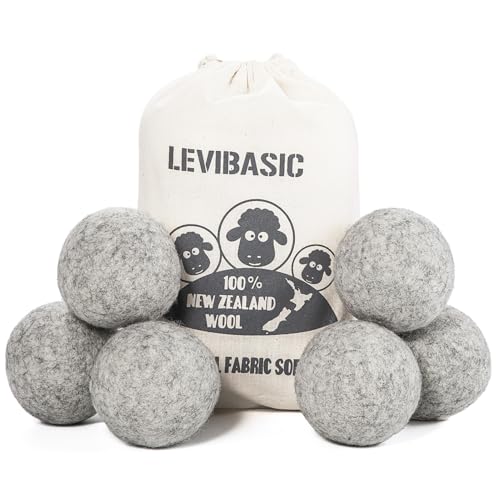
LEVIBASIC Wool Dryer Balls 6 Pack XL, 3" Genuine New Zealand Wool to Core, 100% Organic Fabric Softener Alternative, Baby Safe & Chemical Free, Reduce Wrinkles & Shorten Drying Time (Grey-6pcs)
$10
upfront
2.2mo
payoff
$54
/ year
The LEVIBASIC pack is the cheapest way in at $10 for six XL balls. They're made with New Zealand wool to the core (not stuffed with filler), which matters for durability. No frills, no fancy packaging — just solid wool balls that do the job. At this price, you're looking at a breakeven of barely 2 months.
Check current price →Price shown is approximate. Click for current price. Affiliate link.
Handy Laundry Wool Dryer Balls - Natural Fabric Softener, Reusable, Reduces Clothing Wrinkles and Saves Drying Time, Better Alternative to Plastic Balls and Liquid Softener (Pack of 6)
$13
upfront
2.9mo
payoff
$54
/ year
The Handy Laundry pack hits the sweet spot at $12 — the exact price we used in our math. These are the most popular wool dryer balls on Amazon for a reason: reliable performance, good reviews, and a straightforward 6-pack that lasts 1,000+ loads. If you just want the safe, well-reviewed pick, this is it.
Check current price →Price shown is approximate. Click for current price. Affiliate link.
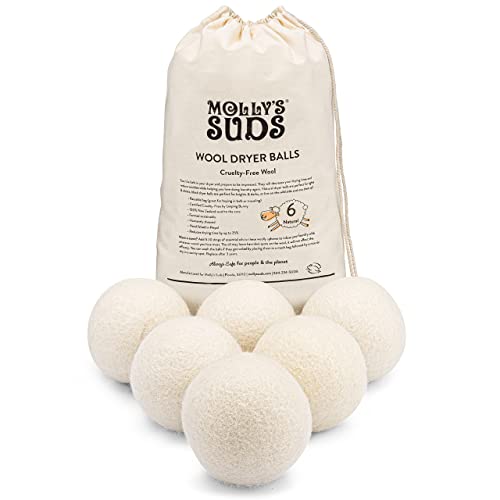
Molly's Suds Wool Dryer Balls | XL, Premium Organic Fabric Softener, Hypoallergenic, Hand-Felted, Reusable, Reduce Drying Time | White, Set of 6
$16
upfront
3.5mo
payoff
$54
/ year
Molly's Suds is a premium brand known for clean, hypoallergenic laundry products. At $15, you're paying a few extra dollars for hand-felted construction, organic sourcing, and a brand that's built its reputation on ingredient transparency. If you care about certifications and supply chain quality, this is the one to grab.
Check current price →Price shown is approximate. Click for current price. Affiliate link.
What we didn't account for
- → Drying time savings vary Our math focuses on replacing dryer sheet costs. Wool dryer balls can also reduce drying time by 10–25%, which lowers your energy bill — but that savings depends on your dryer, load size, and fabric types, so we didn't include it.
- → Static isn't always solved In dry climates or with synthetic fabrics, wool dryer balls may not fully eliminate static cling. Some users end up using a dryer sheet occasionally alongside the balls, which reduces (but doesn't erase) the savings.
- → Essential oils cost extra If you add essential oils to your dryer balls for scent, that's an ongoing cost we didn't factor in. A bottle runs $8–$15 and lasts a while, but it does chip into the savings margin.
- → Lifespan is an estimate The 1,000+ load figure is a common manufacturer claim, but actual lifespan depends on usage. If your balls start looking ragged or lose their bounce earlier, you'll need to replace them sooner than our math assumes.
See how Wool Dryer Balls compares to other home products.
Home Rankings →